
Pécuchet Academy
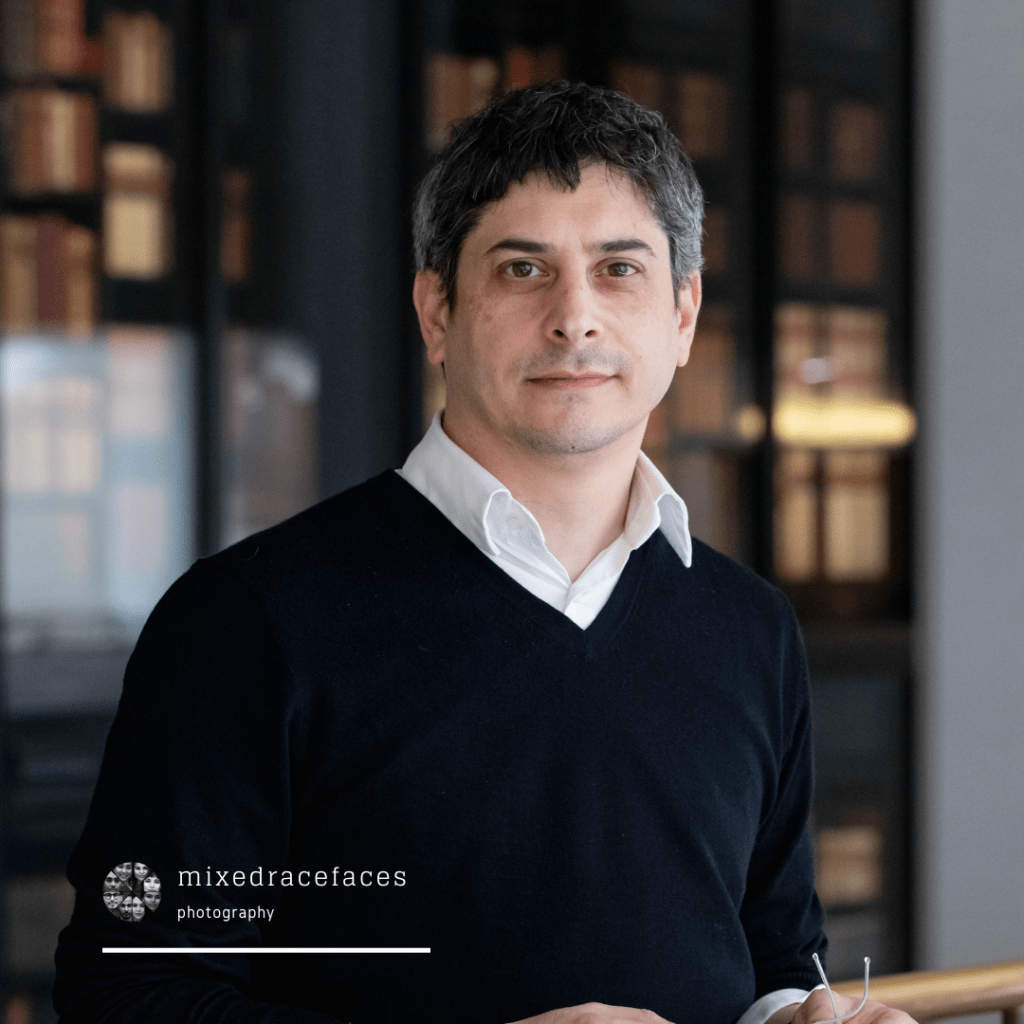
Sunil Manghani
Professor of Theory, Practice & Critique
University of Southampton
PhD supervision and research mentoring.
For Enquiries: Contact →
Prof. Manghani is managing editor of Theory, Culture & Society, co-editor of Journal of Visual Art Practice, and co-founder of Electronic Life. He is a fellow of The Alan Turing Institute, organiser for the Institute’s AI and Arts group, and member of the Academic Advisory Board of the Web Science Institute. He is a former Associate of Tate Exchange and trustee of the Council for Higher Education in Art and Design, where he led the Research Alliance (2020–2023). He teaches and writes on critical theory, visual culture, structuralism, AI, design, and image studies. More →

PhD Supervision
Over a decade of experience in PhD supervision and former Director of Doctoral Programme, (Department of Design, Faculty of Arts & Humanities, University of Southampton). Specialising in critical theory, image studies, and the intersection of art, design and technology, with a particular research interest in artificial intelligence, art/design and anthropology. NB. To prepare an application, visit: University of Southampton → | Read: Practice PhD Toolkit →
Areas available for PhD Supervision:
Supervision: AI & Design
Main area of research is currently in the domain of AI, intersecting with design and creative practice. A Fellow of The Alan Turing Institute, key research explores structuralism and AI, with particular interest in large language models and AI imaging. Member of Winchester School of Art ‘Global Smart Lab’, advancing collaborative research at the interface of design. See: Structualism.ai | Electronic Life
Supervision: Image Studies
Author of Image Studies: Theory & Practice (Routledge); widely published across image studies, visual culture, and art practice. Open to interdisciplinary PhD projects bridging art/humanities with scientific imaging, generative AI, and computer vision. See: ‘From Dürer’s Rhinoceros to AI Image Diffusion Models (and Back Again)’ | Image Studies: Theory & Practice | ‘Zero Degree Image: From the Empirical Image to Image as Capacity’